






Why estate planning is important for everyone
If something unexpectedly happened to you, who would take care of your children or beloved pet? What would happen to your home and the things you’ve spent years collecting? We all have people and possessions that matter to us. That’s why estate planning is for everyone, not just the wealthy. Here’s what you should know to help you get started.

[Updated article; original publish date 10/17/22]
What’s estate planning?
Estate planning is just a fancy way of saying you’re creating a plan that tells your loved ones:
- What should happen to your money and belongings when you die
- Who should make decisions for you if you can’t speak for yourself
- The type of medical treatment you want to receive if you become incapacitated
Reasons to have an estate plan
An estate plan helps ensure your wishes are carried out and saves your family from having to make difficult decisions during an already emotional and stressful time.
Here’s how an estate plan keeps you in control and helps protect your family:
- You decide how to distribute your assets—your money, belongings, and other items you own—not the courts and the laws of your state.
- You select who’s best suited to be your minor children’s legal guardian.
- You can choose to support loved ones with health issues, disabilities, or other personal circumstances by setting up trusts.
- You provide clarity about your wishes, helping alleviate family disagreements.
- Your estate plan can help minimize probate court proceedings, which can take months or longer to complete, are public for all to see, and can be costly.
The estate planning process
Despite all these good reasons to have an estate plan, many people don’t have one.
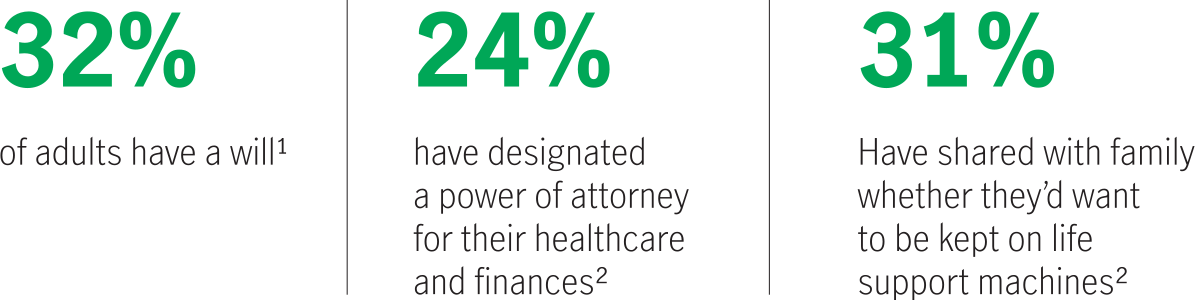
We understand why an estate plan may not be at the top of your to-do list. It’s tough to have these conversations and think about life after you’re gone. But as we’ve seen, life can change in an instant, so it’s important to put a plan in place while you can.
An estate planning attorney can help you create the documents you need based on your situation and goals. Or, if your planning needs are simple, you might choose to do it yourself using an online estate planning service. Many offer resources for drafting wills and other documents. They may also have attorneys on standby to answer your questions. In either case, be sure to do your homework, so you know what type of support you’ll receive and how much it will cost.
And remember, your estate plan isn’t a one-and-done event. You’ll want to review it periodically, especially after a major life event, such as marriage, divorce, or the birth of a child/grandchild.
Estate planning checklist
What you decide to do for your estate plan is unique to you and your situation, but there are certain actions everyone should consider. You don’t have to do them all at once. Focus on what’s important to you now and create a plan to make progress on the rest. For example, choosing your beneficiaries and a power of attorney may be a good place to start if you’re younger. As you get older, trusts and guardianship decisions may become more relevant.
Action | Description |
Choose/review beneficiaries | Naming beneficiaries for your retirement accounts, IRAs, and life insurance allows you—not your state’s laws—to decide who receives your money when you die. You can even assign backup (secondary or contingent) beneficiaries in the event your primary beneficiary passes before you. Most accounts with named beneficiaries avoid probate. |
Check titles and ownership | Depending on how your house, car, and financial accounts are titled, they may automatically transfer to another person when you die. For example, property and accounts set up as joint owners with rights of survivorship pass directly to the other owner, avoiding probate. Because laws can vary by state, you may want to work with an attorney or financial professional. |
Choose a durable power of attorney | An individual with power of attorney can make financial and legal decisions (and sign documents) on your behalf. This person doesn’t have to be an attorney. It just needs to be someone you trust to act in your best interest, such as a close family member. |
Draft a will | A will outlines your final wishes, including who will receive your assets and act as guardian for your minor children. If you don’t have a valid will, state law and the courts decide, and the outcome may not be what you intended. |
Create a living will | A living will explains your wishes for life-sustaining medical care in the event you can’t make medical decisions for yourself. |
Appoint a healthcare proxy | A healthcare proxy is the person who makes medical decisions for you, including those described in your living will. It’s a big responsibility, so make sure the person you want is willing to take it on. |
Set up a trust | Whether a trust is right for you depends on your needs. For example, you may use a trust to hold assets for minor children until they’re old enough to take control of the money, provide for a beneficiary with special needs, or donate to your favorite charity. Trusts can be complicated, so consider working with an attorney or financial professional. |
Buy/review life insurance | Life insurance is critical if you have family members who depend on you financially. It’s a way to help ensure they’ll still be able to pay their bills and pursue their future plans in the event of your death. |
Get your finances in order | If you haven’t already, create a list of all your accounts, passwords, and key contacts, such as your doctor, financial professional, and attorney. And keep it with your other important documents in a secure location. This list can help save your loved ones time and ensure nothing gets missed. |
Prepare today for what happens tomorrow
Estate planning is one of the most thoughtful and impactful steps you can take for your family. Starting early gives you more options, flexibility, and greater confidence that your wishes will be respected.
FAQs
Do you need an estate plan if you’re not wealthy?
Yes. An estate plan is about protecting your wishes—how much money you have doesn’t really matter. Having an estate plan helps ensure the people you trust are the ones making decisions for you when you can’t speak for yourself, and that your assets, big or small, go where you intend instead of being decided by state law.
What’s the estate tax exemption for 2026?
For 2026, the federal estate tax exemption is $15 million per person, or $30 million for married couples. Given this limit, most estates generally won’t owe federal estate taxes. State estate tax rules can vary, so be sure to check with a tax professional in your area.
What happens to your 401(k) when you die?
When you die, your 401(k) typically passes directly to the beneficiaries you named on your account. It’s not included in your will. What happens next depends on who inherits your account. There are different options and timelines for spouses versus other beneficiaries.
1 “How Americans are thinking about aging,” Pew Research Center, 11/6/25. 2 2025 Manulife John Hancock and MIT AgeLab Longevity Preparedness Index study. The Longevity Preparedness Index was developed in collaboration with MIT Age Lab and funded by John Hancock. John Hancock provided financial support for the research but did not influence the findings, methodology, or conclusions. John Hancock is not affiliated with the Massachusetts Institute of Technology (MIT) AgeLab, and neither is responsible for the liabilities of the other.
Important disclosures
Important disclosures
The content of this document is for general information only and is believed to be accurate and reliable as of the posting date, but may be subject to change. It is not intended to provide investment, tax, plan design, or legal advice. Please consult your own independent advisor as to any investment, tax, or legal statements made.
MGR0623265584668